The problem, stated honestly
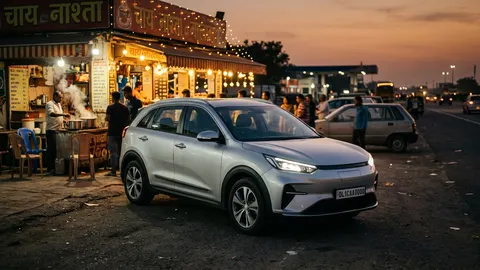
India's vehicle recall system has a structural gap, and if you bought your car second-hand, you are standing in it.
Under SIAM's Voluntary Code on Vehicle Recall — in force since 1 July 2012 — a vehicle is covered for safety recall for seven years, and the code explicitly targets the first buyer. The manufacturer notifies the owner on its records.
If you are the second, third or fourth owner, that letter did not come to you.
It went to a person who may have already sold the car, may have ignored it, or may simply have moved house. The defect stayed with the vehicle. The notification did not.
This article exists because the only person who can close that gap is you.
The four checks. Do all four.
1. The SIAM Voluntary Recall database
siam.in → Voluntary Recall Information
Set up at the behest of the Ministry of Heavy Industries, this database collates voluntary manufacturer recalls since 2012, covering two-wheelers, passenger vehicles and commercial vehicles.
How to use it:
- Select the manufacturer (BMW, Ford, Honda, Hyundai, Kia, Mahindra, Maruti Suzuki, Skoda Auto Volkswagen India, Tata Motors, Toyota, Volvo and others)
- Select the year
- Select the model
The limitation, and it is a big one: this is a campaign-level database, not a VIN-level one. It tells you that a recall exists for a model and year. It does not tell you whether your specific car is in the affected build window, or whether the work has already been done.
Use it to find out whether to worry. Use the next step to find out whether you should.
2. The manufacturer's own VIN checker
This is the definitive check, and it is the one most people skip.
Most manufacturers operating in India now run a VIN-level recall checker. Skoda's global portal (recallactions.skoda-auto.com) is a good example — enter the 17-character VIN and it returns a definitive answer for that chassis.
Find your VIN: it is on the VIN plate (typically on the B-pillar, under the bonnet, or on the firewall), and it is printed on your RC (Registration Certificate).
3. Call an authorised service centre with your VIN
The single most reliable action available to you.
A dealer can query the manufacturer's internal system and tell you two things the public databases cannot:
- Whether your specific chassis number falls within any recall's build window
- Whether the recall work has already been carried out on your car
That second answer is the one that actually matters, and it is the one no website will give you.
Do this even if — especially if — you bought the car used.
4. The VAHAN vehicle recall portal
The Ministry of Road Transport and Highways operates a vehicle recall facility via the VAHAN system (vahan.parivahan.gov.in/vehiclerecall). Coverage and functionality have been inconsistent, but it is worth a look as a cross-check.
Know the law: recalls are no longer purely voluntary
This is a genuine and underreported improvement.
Section 110A of the Motor Vehicles Act, 1988 empowers the Central Government to direct a manufacturer to recall a vehicle type or variant, where a defect may cause harm to the environment, the driver, the occupants, or other road users — and where that defect has been reported by a specified percentage of owners, a testing agency, or any other source.
Rule 127C of the Central Motor Vehicles Rules, 1989 — inserted by G.S.R. 173(E), dated 11 March 2021 — prescribes the procedure for recall of defective motor vehicles and the recall notice.
So: the SIAM code is voluntary. The statutory power to compel a recall is not. And under the SIAM code itself, if a manufacturer fails to announce a recall where "clear evidence" exists, the Government or Ministry may issue directions for the violation.
What counts as a safety defect
SIAM's code gives concrete examples. These are the ones that trigger recalls:
- Steering malfunction causing complete loss of vehicle control
- Braking defects causing significant loss of braking function
- Fuel system faults causing unintended fuel leakage or unintended acceleration
- Cracked or broken wheels causing loss of control
- Seats, seat backs, seatbelt mechanisms or head restraints failing in a way that exposes occupants to immediate danger
- Wiring faults causing complete loss of lighting
If your car is doing any of these things, do not wait for a recall notice. Go to a dealer.
Your rights
- The repair is free. The vehicle is rectified by the manufacturer through its dealers at no cost to the customer.
- Recall information must be published on the manufacturer's website, and communicated to vehicle owners.
- SIAM and the relevant ministries also publish it.
- Coverage runs seven years from the vehicle's life under the voluntary code.
The used-buyer checklist — do this before you pay
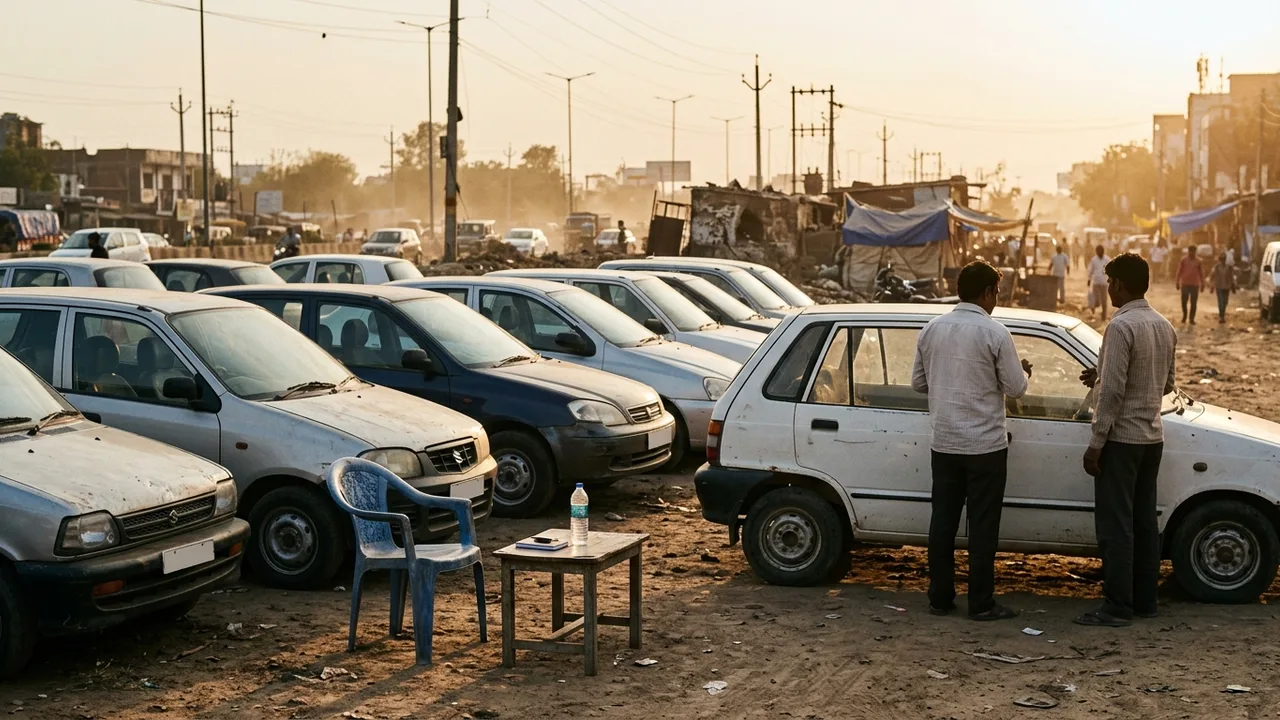
India's used-car market is now larger than its new-car market. Almost nobody does this. Everybody should.
- Get the VIN from the seller before you view the car. An honest seller gives it without hesitation.
- Check the SIAM database for that make, model and year.
- Call an authorised service centre with the VIN. Ask two questions: Is this chassis in any open recall? and Has the recall work been completed?
- If there is an open recall: make the sale conditional on it being completed. It costs the seller nothing — the work is free.
- If the seller resists giving you the VIN: walk away. You have learned everything you need to know.
Key takeaways
- India's recall code is voluntary, runs seven years, and notifies the first buyer only
- siam.in → Voluntary Recall Information shows campaigns by manufacturer, year and model — but not by VIN
- The definitive check is calling an authorised service centre with your VIN — only they can confirm whether the work was actually done
- Section 110A of the Motor Vehicles Act and Rule 127C (2021) give the government statutory power to compel recalls
- Used buyers: get the VIN before you pay, and check it yourself. Nobody else will.
Sources & further reading
- SIAM Voluntary Code on Vehicle Recall (in force 1 July 2012)
- SIAM Voluntary Recall Information database (siam.in)
- Motor Vehicles Act 1988 s.110A
- Central Motor Vehicles Rules 1989, Rule 127C (G.S.R. 173(E), 11 March 2021)
- Ministry of Heavy Industries
- PIB. Verified July 2026.
Figures, prices and policy details were current at the last-updated date above. Automotive pricing, incentives and regulations change frequently — verify time-sensitive details against the primary sources listed below. Read our editorial policy and fact-checking standards.